Cloud, DevOps and database engineering for small teams.
I cut Azure bills, set up deploys that don't break, and make slow databases fast. Fixed scope, and a plain-English write-up of everything I change.
I also write tech articles on crafted.data: long-form pieces on databases, cloud and AI. Follow crafted.data on Instagram for regular updates.
 −$3,066/moAzure waste found812 ms → 0.9 msone index, same query5 of 5 checksdeploy with rollback
Sound familiar?
These are the jobs I get called in for. None of them are exotic, and all of them have a findable cause.
The cloud bill jumped and nobody can say why.
Usually: idle VMs, orphaned disks, dev running all weekend.
See the fix
It works on my machine. Production disagrees.
Usually: config that lives on one laptop, no repeatable deploy.
See the fix
The database is fine. Except every Monday at 9 am.
Usually: a missing index, or a report running on the primary.
See the fix
cloud cost and architecture
Find the waste in your Azure bill.
I read 30 days of billing data resource by resource, price every fix, and hand you a plan your team can run in a week.
- Idle, oversized and forgotten resources, each with its monthly cost
- Reservations and savings plans sized after cleanup
- Read-only access that expires on its own

databases
Make the slow query fast, without a bigger server.
Most slow databases aren't short on hardware. They're doing far more work than they need to. I find that work and remove it.
- Query plans read properly, not guessed
- Indexes, schema fixes and reporting moved off the primary
- Safe migrations to managed PostgreSQL
devops and delivery
Make releases boring.
Every change goes through the same tested path to production, and any release can be rolled back in one step.
- CI/CD with tests, staging and approvals
- Infrastructure as code, so environments match
- Monitoring that alerts before customers do

Two ways to start
A one-off audit to find out what's wrong, or an engineer on your team a few days every month.
free first pass, then 5 days
Azure Cost Audit
Your 3 biggest savings in 48 hours from last month's cost file, free and with no access. Then the full audit, with the fixes applied together.
$750 founding price, free under $1,500 in annual savings
See the auditmonthly, cancel any month
Fractional cloud and DevOps engineer
A senior engineer on your team for a fixed number of days a month. Cloud, pipelines and databases, handled independently.
from $2,200 / month for 4 days
See how it worksHow a project goes
The same four steps for a cost problem, a slow query or a broken pipeline.
- 1
Look
I read the bill, the logs and the code before suggesting anything.
- 2
Explain
What I found, what it costs you, and your options, in plain language.

- 3
Fix
The agreed change, in small steps you can review and roll back.

- 4
Hand over
Docs, access and a walkthrough, so your team runs it without me.


Paying for Azure nobody uses?
Send last month's cost file. In 48 hours you get your 3 biggest savings in dollars, free and with no access. The full audit follows in 5 working days.
crafted.data
Long, practical articles on databases, cloud and DevOps, and AI. Every post comes from a real system, with the code included.

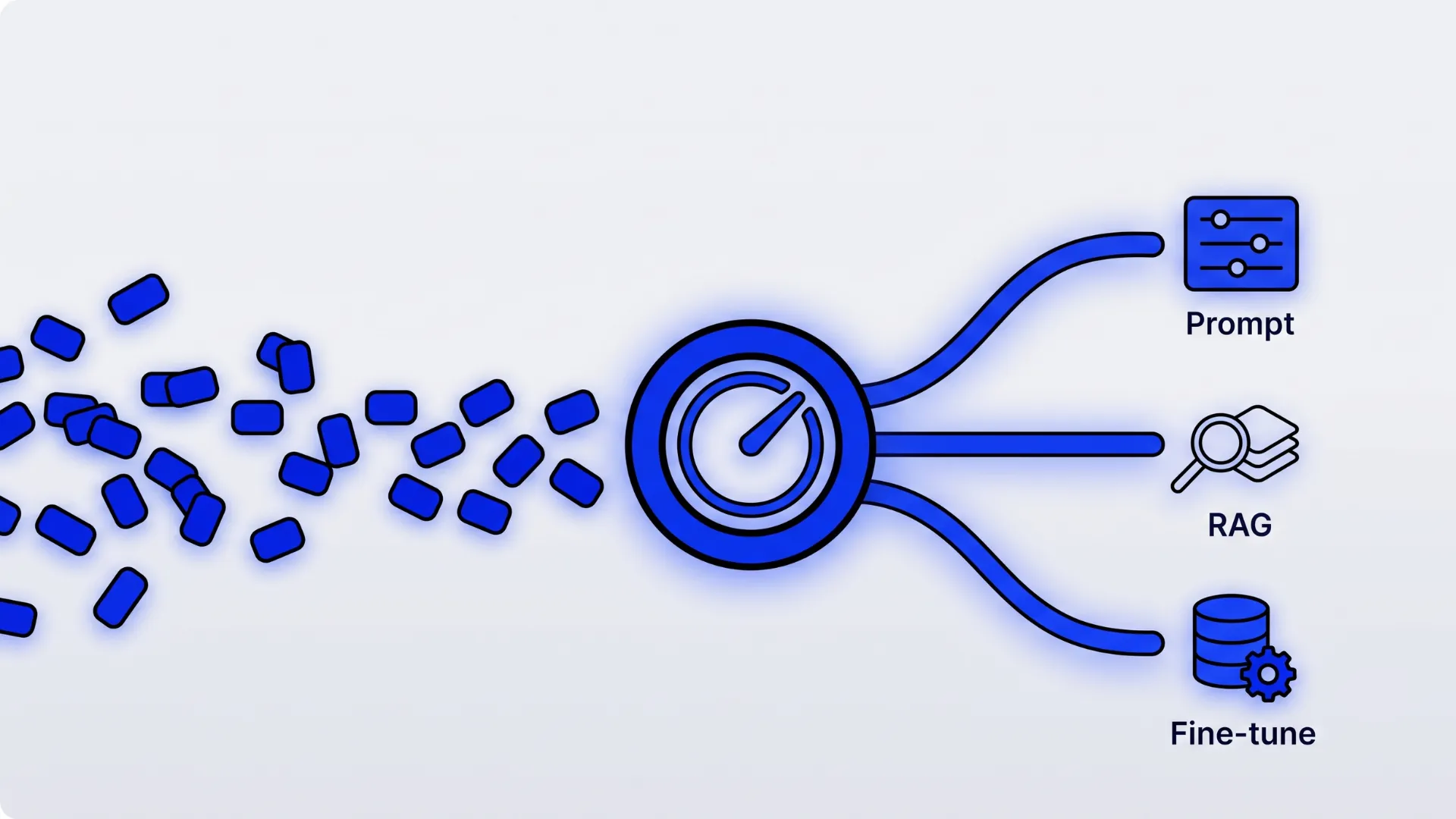
Fine-Tuning vs RAG vs Prompting: Which Fixes Which?
They aren't tiers on a power ladder. They're fixes for three different failure types, and naming the failure first mostly makes the choice for you.
JSONB vs Separate Tables: When Normalisation Stops Paying
JSONB is one of the best reasons to pick Postgres, and one of the easiest places to park a modeling decision you don't want to make yet. The line between the two is crisper than most teams think.
Cloud & DevOpsServerless vs Containers: The Honest Cost Comparison
It isn't Lambda versus Fargate as products. It's billing per execution versus billing for provisioned capacity, and the variable that decides between them is duty cycle.
DatabasesRead Replicas vs Caching vs Both: The Decision Matrix
A replica adds capacity and a cache removes repeated work. Which one you need falls out of two questions about your traffic, and neither helps a primary that's bound by writes.
Case studies
Real-world scenarios from cloud, DevOps and database work: what went wrong, how it was found, and what fixed it.
The Azure bill nobody could explain
Spend crept up for a year and nobody owned it. Tracing it resource by resource turned up idle VMs, orphaned disks and dev running all weekend.
Azure Cost Management, Resource Graph, Azure Advisor, Azure CLI
Read the case studyThe database that slowed down every Monday
A weekly report and the app fought over the same table. One composite index and a read replica for reporting ended the Monday slowdowns.
PostgreSQL, pg_stat_statements, EXPLAIN ANALYZE, Read replicas
Read the case studyDeploys that only worked from one laptop
Releases ran by hand from one machine. A pipeline with tests, staging and one-click rollback made them routine for the whole team.
GitHub Actions, Docker, Bicep, Azure App Service
Read the case studyMoving a live database with minutes of downtime
Logical replication kept the new server in sync for days, then a rehearsed cutover switched traffic in under a minute with no lost writes.
PostgreSQL logical replication, Managed PostgreSQL, pg_dump --schema-only
Read the case study
Hi, I'm Naveen.
I work on the layer people only notice when it breaks: cloud infrastructure, databases, and the pipelines that ship code between them.
When I learn something the hard way, it becomes an article on crafted.data, so the next person doesn't have to.
crafted.data
New deep-dives in your inbox
One email when a new article is out. No spam, unsubscribe in one click.

Got a system that's misbehaving?
Tell me what's going on. You'll get a reply within one working day, with an honest view on whether I can help.